There are vast belief systems in the universe. We are taught that the human body has multiple “bodies”. We commonly hear of the physical body, mental body, emotional body, and spiritual body. The spiritual dimensions that we know of include the etheric body, astral body, casual body, buddhi body, energy body, and atmic body. If we take into account practices like Yoga, Pancha Koshas are the five sheaths that encase the Atman (the true self or soul).
We do not deny that we have “bodies” in our makeup that you can’t physically see. The only body studied by science is the physical body due to it being visible. The earth and space are a part of the sciences that bring us the seasons to survive.
Acknowledgment of our “invisible” bodies is practiced with ancient practices globally. The solutions range from the arts, the hearts, and fresh starts. The interconnectedness of all things and the importance of inner well-being.
I met a man today that had died and come back to life. We shared the same story.
We both took in a breath of life and had the same story on our consciousnesses experiences and how we started living on earth again. We explained the exact nose and mouth breath that brought us to the living again. Mine was more traumatic than his because my throat was in the hands of a person that some call a Servant Leader in a malicious act. My airway was blocked. My only breathe back was through my nose.
His quote was “I can’t understand how people can go to church every Sunday to worship God and talk to God. Then they don’t believe that some people can communicate with God and some people can’t.”
My hands were placed on the Hebrew Bible and many other bibles and books in my home. I took photographs of the placements of my hands and delivered the message from the God Above to Servant Leaders Below for their judgment in the Kingdom of Heaven. Book after book opened for hours on end. I would open a book on the exact page that was needed, my hand would fall on page. I would take a photograph, repeat until the messages from above was finished. I started reading the messages for the first time, two weeks ago.
Servant Leaders were given a stern message and reminder that we are all equal. The God above is the God within. It does not matter what you believe or if you believe in a God at all. Lead by and with love, first. Those of us that have a relationship understand. We know the Karmic beauty of the gifts from the Divine. We also know the Cosmic beauty of the gifts from the Divine. The results are a power that loves beyond geographic boarders, skin color, creed/practice, religion, faith or no-faith. You do not harm the people of God. He will send you a message or make his verdict in His time.
My fingers were placed on the following translated Hebrew. “For on Mount Zion and in Jerusalem there shall be a remnant/deliverance. Your sons and daughters shall prophesy.”
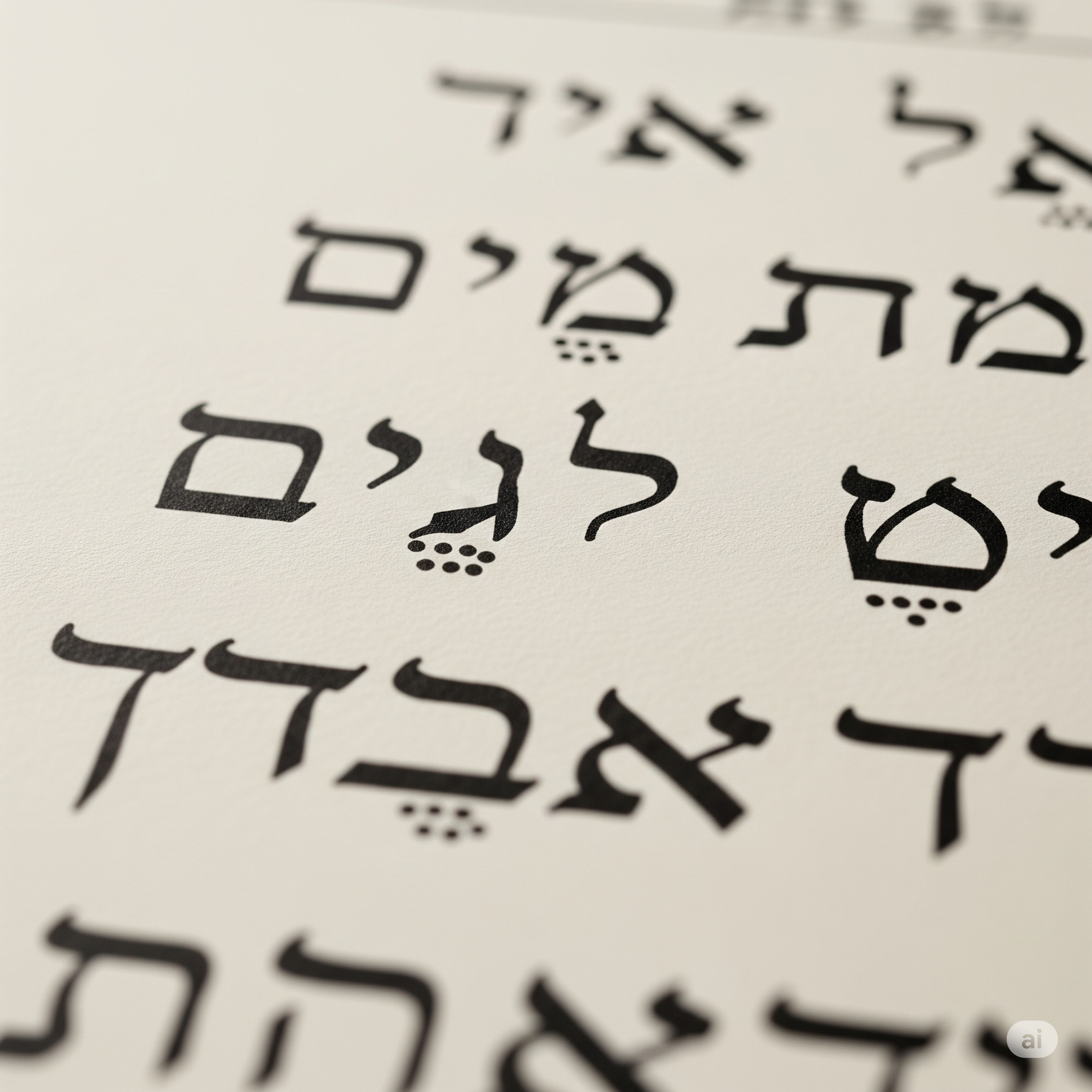
כִּי בְּהַר־צִיּוֹן וּבִירוּשָׁלַיִם תִּהְיֶה פְלֵיטָה
וְנִבְּאוּ בְּנֵיכֶם וּבְנוֹתֵיכֶם
Jewish Biblical Exegesis
There are profound narratives, metaphors, and theological concepts embedded within the Hebrew Bible. These “images” or passages below serve as powerful vehicles for transmitting core spiritual truths and shaping the understanding of the divine-human relationship within Jewish thought. The Books of Joshua, Joel, Hosea, and Amos, alongside broader theological frameworks concerning the afterlife and sacred time.
There are interpretations from foundational commentators whose works have shaped centuries of Jewish thought. This ongoing interpretive endeavor within Judaism validates the profundity of the divine text, as it yields varied yet complementary spiritual understandings across generations and intellectual approaches.
Several influential commentators have shaped Jewish biblical exegesis:
- Rashi (Rabbi Shlomo Yitzchaki, 11th Century): Acclaimed for his ability to present the peshat (plain meaning) of the text in a concise and lucid fashion, Rashi’s commentaries appeal to both scholars and beginners. He often clarifies the “simple” meaning while also incorporating Midrashic (rabbinic homiletic) interpretations that “explain the words of Scripture in a manner that fits in with them”. His work forms the bedrock of contemporary Torah study. His commentary on the Torah is considered the “wine of Torah,” opening the heart and uncovering one’s essential love and fear of God.
- Abarbanel (Don Isaac Abarbanel, 15th-16th Century): A Portuguese Jewish scholar and financier, Abarbanel is known for his verbose and extensive biblical commentaries. His approach often begins with a list of numbered questions that he then answers at length, integrating observations from his own political and historical experience, as well as the views of Christian thinkers. His philosophical writings were deeply influenced by Maimonides, and he extensively dealt with messianism, a fact often attributed to the repeated exiles he experienced.
- Radak (Rabbi David Kimchi, 12th-13th Century): A great grammarian and scholar from Provence, Radak’s commentary is characterized by its direct and clear style, focusing on peshat based on principles of linguistics, grammar, and lexicography. He was deeply influenced by his father, Rabbi Joseph Ben Isaac Kimchi, and his older brother, Rabbi Moses Kimchi, who were also renowned grammarians. His works, including his Hebrew grammar “Michlol,” were highly esteemed by both Jewish and Christian scholars and greatly affected later Bible translations.
- Malbim (Meir Leibush ben Yehiel Michel Weisser, 19th Century): Malbim’s commentaries are widely esteemed, driven by his opposition to the Reform movement, which he believed could undermine Judaism’s foundation. A trademark of his approach is the belief that there are no repetitions or mere synonyms in the Tanakh; every word is essential to the meaning. He stresses the superiority of the literal interpretation and connects the written word to its rabbinic interpretation, arranging rules and principles in works like Ayyelet ha-Shaḥar.
Passages for Servant Leaders
Book of Joshua – Divine faithfulness & human choice
Valley of Jehoshaphat – Universal judgment & ultimate restoration
Israel as Unfaithful Wife – Consequences of idolatry & true worship
Burning Bones of Edom’s King – Universal human dignity & justice
Jewish Festivals – Cycles of remembrance & covenant renewal


I. The Book of Joshua: Covenant, Identity, and Divine Choice
The Book of Joshua recounts the culmination of Israel’s journey to the Promised Land, serving as a powerful testament to God’s covenant faithfulness. The very name “Joshua” means “Yahweh saves,” an apt title for the leader who, under divine command, led Israel to a victorious conquest of the land promised to Abraham. The narrative portrays God as the ultimate “general,” leading His people in battle, with victory contingent upon Israel’s trust and obedience.
The book highlights instances of both profound faithfulness and significant disobedience. Rahab’s trust and the miraculous fall of Jericho exemplify moments of unwavering faith. In contrast, Achan’s sin and Joshua’s treaty with the Gibeonites, made without seeking God’s counsel, demonstrate the consequences of human choices within the divine covenant. These contrasting episodes underscore the importance of human responsiveness to divine directives. The book concludes with the burials of Joshua, Joseph, and Eleazar in the land of promise, symbolically proclaiming God’s unwavering character as the “ultimate promise-keeper,” who brings His people to rest in the land He pledged. This final act reinforces the enduring nature of divine promises even after the passing of key figures.
L. Daniel Hawk, in “Berit Olam: Joshua,” identifies three fundamental markers of Israelite national identity expressed in the book: religious practice (specifically, obedience to the commandments of Moses), ethnic separation (the extermination of the Canaanite peoples), and the possession of the land (“the land that YHWH gives”). These elements were traditionally understood as defining what distinguished “Israel” from all other peoples. However, Hawk’s analysis reveals that the narrative itself tests each of these seemingly clear markers. Through the unfolding story, the book demonstrates that none of these criteria alone definitively characterize the people of God. This critical examination challenges a simplistic, external understanding of identity, suggesting that a deeper essence is at play.
A seeming tension emerges in the narrative: God fulfilled His promise of the land, yet the conquest was incomplete, and Israel failed to fully possess the land. This is not a contradiction but a profound theological interplay. The incomplete conquest resulted from Israel’s disobedience, such as Achan’s sin or the Gibeonite treaty made without divine consultation. The consequence was that the remaining Canaanite peoples became a “damaging influence”. This indicates that while God’s covenant promises are steadfast, their full experiential realization in human history is often conditioned by human faithfulness and obedience. Divine grace, therefore, does not nullify human agency or accountability; rather, it invites a responsive relationship that shapes the unfolding of divine purposes in the world.
Instead of relying solely on external markers, the Book of Joshua ultimately presents Israel as a nation fundamentally constituted by a dynamic process of “choosing.” This involves both YHWH’s sovereign choosing of Israel and Israel’s reciprocal, active choice of YHWH. This internal, relational aspect becomes the true essence of their identity. Hawk’s interpretation suggests that a static, inherited, or externally defined identity (based on race, land, or even ritual alone) is insufficient for a true covenantal relationship. The narrative’s testing of these markers serves to re-center identity on a reciprocal, active choice and commitment. This understanding is highly relevant to contemporary society, where rigid ideologies of religion, race, and territory often fuel conflict. The passage of Joshua, therefore, challenges exclusionary definitions of identity, advocating for an understanding rooted in active, mutual relationship with the Divine.
Hawk posits that the Joshua story holds a “mirror” up to all who consider themselves the people of God. The reflection can be both “repelling and inspiring,” and confronting it is essential for a true understanding of what it means to be the chosen people. This perspective encourages self-reflection on contemporary issues where ideologies of religion, race, and territorial possession have led to violence. My view is that we are all born Divine or “the way we were made; which is perfect”.
II. The Book of Joel (Chapter 3): Eschatological Judgment and Restoration
Joel Chapter 3 presents a vivid prophetic passage of the “Day of the Lord,” a climactic judgment scene expected to occur in the “last days”. This day is characterized by divine intervention and reckoning, marking a decisive moment in history.
A central feature of this prophecy is the “Valley of Jehoshaphat,” or ‘Êmeq Yəhōšāp̄āṭ in Hebrew. The name itself carries profound spiritual meaning, as “Jehoshaphat” translates to “Yahweh judges”. This valley is also referred to as the “valley of decision” or “valley of destruction” , underscoring its role as a place of divine verdict. Scholars largely agree that this “Valley of Jehoshaphat” is not a literal, physical geographical location where all nations will physically gather. Instead, it functions as symbolic of God’s universal judgment, a place where divine justice will be decisively enacted. The symbolic meaning of the name and the universal scope of the prophecy transform the passage in the image above of the valley beyond a specific geographical location, establishing a universal theological principle: divine judgment is not confined to a particular place or people but is an overarching cosmic reality. This implies that God’s moral governance extends to all humanity, holding every nation accountable for its actions, particularly concerning the treatment of the vulnerable.
The primary reason for this universal judgment is the nations’ mistreatment of God’s people, Israel. God declares that He will “plead with them there for My people and for My heritage Israel, whom they have scattered among the nations; They have also divided up My land”. Specific acts of injustice cited include casting lots for God’s people, trading a boy for a harlot, and selling a girl for wine. This highlights the profound disrespect and dehumanization inflicted upon Israel. God promises a “measure for measure” justice, declaring that He will return “on their own heads what they have done”. This principle of divine retribution emphasizes the righteousness of God’s judgment.
Within the broader context of Joel’s prophecy (Joel 2:28-29, which precedes chapter 3), there is a powerful passage of spiritual renewal: God promises to “pour out My spirit upon all flesh,” enabling prophecy, dreams, and visions among all people, including male and female servants. Radak’s commentary interprets “all flesh” as referring to worthy Israelites, suggesting a spiritual readiness for this divine outpouring. The chapter concludes with overflowing blessings and complete restoration for God’s people. This includes mountains dripping with sweet wine, hills flowing with milk, streams flowing with water, and a fountain flowing from the house of the Lord. These symbolize a reversal of past desolation and a future of abundant flourishing. God’s enduring presence and protection are explicitly promised, with Judah and Jerusalem dwelling forever, signifying a secure and eternal relationship.
Joel 3 presents a stark juxtaposition: severe judgment against hostile nations is immediately followed by passages of the outpouring of God’s Spirit and abundant blessings for His people. This sequential presentation is not accidental. The underlying connection is that divine judgment serves as a necessary purification and clearing of obstacles, paving the way for a renewed and flourishing era. The judgment is not an end in itself but a means to achieve ultimate spiritual and physical restoration, where past suffering is transformed into future abundance. This implies that even in the face of divine wrath, the overarching spiritual meaning of God’s plan is redemptive and restorative, aiming for a state of ultimate blessing and a perfected relationship with His people. Throughout Joel 3, God’s sovereignty is paramount, as He orchestrates both the judgment and the subsequent restoration through repeated “I will” statements. This reinforces His ultimate authority over all nations and history. The prophecy ultimately offers comfort and hope to God’s people, assuring them that despite present injustices, God will ultimately bring justice and serve as their refuge and stronghold.
III. The Book of Hosea (Chapter 2:11-12): Idolatry, Consequences, and True Worship
The Book of Hosea employs a powerful and emotionally charged passage: the prophet Hosea’s marriage to a “wife of whoredom,” Gomer, serves as a vivid allegory for God’s relationship with unfaithful Israel. This metaphor underscores the deeply personal and covenantal nature of the divine-human bond. Israel is depicted as an adulterous wife who attributes her prosperity—her “bread and her water, her wool and her flax, mine oil and her drink”—to her “lovers” (false gods and foreign alliances) instead of acknowledging God as the true provider. This highlights a profound spiritual ingratitude and infidelity. The narrative conveys God’s “tormented feelings,” oscillating between righteous anger and a persistent desire for reconciliation, reflecting the pain of betrayal within an intimate relationship. The consistent use of the “unfaithful wife” metaphor is more than just a literary device; it is a profound theological statement. The intense divine emotion and severe consequences are not merely due to Israel’s breaking of laws, but to the betrayal of an intimate, marriage-like bond. This portrayal elevates the spiritual stakes of obedience from legal compliance to relational fidelity, suggesting that the divine-human relationship, as depicted in Hosea, is fundamentally one of love and devotion, making idolatry the ultimate act of spiritual adultery and a deeply personal offense to God.
As a consequence of Israel’s spiritual harlotry, God threatens to “put an end to all her mirth, her feast days, her new moons, and her sabbaths, and all her solemn feasts” (Hosea 2:11). These festivals were originally God’s “appointed times” for communal worship and remembrance of His covenant. However, Israel had corrupted these sacred observances by mixing them with idolatry and insincerity, rendering them “empty rituals”. The cessation of these rituals, along with the destruction of vines and fig trees (symbols of agricultural prosperity), signifies God’s judgment and the withdrawal of His blessings due to their unfaithful hearts (Hosea 2:12).
The explicit statement in Hosea 2:11 that God will “put an end to all her mirth, her feast days, her new moons, and her sabbaths” presents a notable point of theological inquiry, as these were God’s own appointed times for celebration and covenant remembrance. The apparent contradiction—that God would abolish His own institutions—is resolved by understanding that the cessation is not an abolition of the divine institution but of its corrupted human practice. The research clarifies that Israel had “distorted these sacred times, mixing them with idolatry and insincerity,” leading to “outward practices [that] have lost meaning due to their unfaithful hearts”. This indicates that Israel’s spiritual infidelity (idolatry) rendered the external forms of worship hollow, prompting God to remove them. The consequence is a forced confrontation with the superficiality of their devotion. This serves as a timeless spiritual lesson: external religious observance, divorced from internal, heartfelt commitment, becomes meaningless that God may dismantle to compel a return to genuine, authentic worship.
The passage of idolatry as spiritual adultery is central, portraying it as a direct breach of the marriage covenant between God and His people. Israel’s pursuit of “lovers” (idols/nations) is depicted as a rejection of God’s true provision and a vain hope for help from false sources. God’s response to this betrayal is disciplinary. He promises to “hedge up your way with thorns” and “wall her in” (Hosea 2:6) , and to strip away the false comforts and prosperity she attributed to her “lovers,” making the land desolate. This harsh discipline is intended to sever her dependence on false sources and compel her return to Him. Despite the severity of the judgment, the underlying spiritual purpose is redemptive. The divine discipline aims to awaken Israel to the reality of their spiritual desolation and urge a return to God for true restoration and blessing. God’s actions, though painful, are ultimately an expression of His enduring love, as His goal is to bring His people back to genuine, heartfelt worship and a restored relationship. The message is clear: true worship is about an authentic, loving relationship with God, not mere routine or empty rituals.
IV. The Book of Amos (Chapter 2:1): Universal Justice and Human Dignity
Amos 2:1 presents a stark passage of extreme cruelty: God’s condemnation of Moab “because he burned the bones of the king of Edom into lime”. This act was considered a profound “desecration,” an “utter disrespect for human dignity,” and one of the gravest insults in ancient cultures where proper burial and reverence for the dead were deeply significant. Rashi interprets this act as treating the Edomite king with “disgrace,” for which God “requited the injustice”, highlighting the divine concern for even a non-Israelite’s honor. Radak connects it to a historical event where Moab’s actions led to “great wrath against Israel” , suggesting ripple effects of such barbarity. Abarbanel delves into the historical animosity between Edom and Israel, positing Moab’s act as a catalyst for ongoing conflict.
The specific condemnation of Moab for burning the Edomite king’s bones is particularly striking because it is an act against a non-Israelite. This is explicitly called “extreme desecration” and “utter disrespect for human dignity”. Further, Jewish tradition elaborates on the prohibition against cremation, linking it to the belief in resurrection and the sanctity of the body. God’s judgment in this instance is triggered by this violation of a universal moral standard regarding human dignity, even in death. The consequence is divine punishment, demonstrating that God’s justice is not limited to His covenant people but applies to all humanity. This implies that fundamental human rights and ethical conduct are divinely ordained principles that transcend specific religious or national affiliations, serving as a foundational aspect of God’s universal governance.
Amos’s prophecies are structured as a series of judgments, beginning with surrounding Gentile nations before turning to Judah and Israel. This immediately establishes a universal scope for divine justice. This verse profoundly underscores that God’s judgment extends beyond His covenant people, Israel, to all nations, holding them accountable for their actions against universal moral standards. It demonstrates that no nation is exempt from divine moral scrutiny. The repetitive formula, “For three transgressions… and for four,” used for each nation, including Moab, emphasizes the accumulation of guilt and God’s patience before His inevitable declaration of judgment. This formula serves as a significant pattern, described as a “poetic way of saying that Moab’s sins were numerous and reached their limit”. It acts as an “intensifier, indicating that Moab had built up a record of excessive guilt”. This pattern suggests a divine principle of escalating accountability. Persistent, unrepented moral transgression, accumulating beyond a certain threshold, inevitably triggers divine judgment. The consequence is a clear warning that God’s patience has limits, regardless of national identity or perceived status. This “image” of a numerical reckoning functions as a spiritual “meter,” highlighting that both individual and national actions are weighed, and a continued disregard for universal moral principles will ultimately lead to a divine reckoning.
The condemnation of burning bones, even those of an enemy king, highlights a core spiritual principle: God’s profound concern for human dignity transcends national, ethnic, or political boundaries. This act of “impotent grasping at eternal vengeance” by Moab is met with God’s ultimate, righteous justice. God’s justice is portrayed as precise, directly responding to specific acts of inhumanity. Amos is renowned as a prophet of social justice, fiercely condemning moral decay and oppression. While this specific verse addresses an international atrocity, it aligns with Amos’s broader message against injustice. The book later excoriates Israel for its own social sins, such as selling the righteous for silver and the needy “for a pair of shoes” (Amos 2:6) , demonstrating that God’s moral standards apply equally, if not more stringently, to His own people.
V. Broader Theological Frameworks: Afterlife, Resurrection, and Sacred Time
Jewish thought offers a nuanced of the afterlife, distinct from simplistic binaries. This understanding is crucial for comprehending the full scope of divine justice and redemption.
- Sheol: This is the Hebrew Bible’s primary “realm of the dead,” described as a shadowy place of silence and separation from God, where all the dead reside. It functions as a waiting place for souls anticipating a future resurrection, often intertwined with the earth itself. It generally lacks the concept of immediate judgment or reward/punishment.
- Gehenna (Gei Ben Hinnom): Derived from the Valley of Hinnom, a real place in Jerusalem with a dark history of child sacrifice to the pagan god Molech. Theologically, Gehenna became associated with a place of punishment and/or purification for the “average person”. Critically, the soul’s sentence in Gehenna is typically limited to a 12-month period of purgation before ascending to Olam Ha-Ba (the World to Come). Jesus’ warnings of “weeping and gnashing of teeth” are connected to this valley.
- Gan Eden (Garden of Eden): Conceived as a return to the blissful existence of Adam and Eve, where truly righteous souls ascend directly. It is generally believed that in Gan Eden, the human soul exists in a disembodied state until the time of bodily resurrection.
T’chiyat Hameitim (Resurrection of the Dead) is a core and foundational doctrine of traditional Jewish theology, explicitly mentioned in the books of Isaiah and Daniel. It is so central that Maimonides includes it as the final of his “Thirteen Principles of Faith”. The belief posits that during the Messianic Age, the bodies of the dead will be brought back to life and reunited with their souls. This is often envisioned as bodies rolling through underground tunnels to the Holy Land. Rabbi Maurice Lamm emphasizes God’s omnipotence, arguing that rebirth is no more miraculous than initial birth, reinforcing the feasibility of this belief. The concept has been controversial throughout Jewish history, but Orthodox Judaism generally understands it as a literal prophecy. The Jewish understanding of the afterlife, particularly the doctrine of T’chiyat Hameitim, emphasizes the reunification of body and soul. Concepts like the luz bone are mentioned in this context , and the notion of bodies rolling to Israel for resurrection. The theological commitment to the holistic nature of the human being and the ultimate redemption of the physical world, not just the spiritual, is the basis for this emphasis. The spiritual meaning, therefore, encompasses a future physical restoration, not just disembodied immortality. This implies that Jewish theology views the physical body as inherently sacred and part of the divine plan for ultimate redemption, challenging any notion that the physical is merely a temporary vessel to be shed.
Jewish festivals are not mere historical commemorations but “appointed times” or “holy convocations” ordained by God. They serve as powerful sacred times, designed to remind Israel of God’s ongoing protection and provision. They typically celebrate a dual nature: both agricultural seasons and pivotal historical-redemptive events.
Fasting, Forgiveness
- Passover (Pesach): Celebrates the Exodus from Egypt and the beginning of the spring planting season. It symbolizes redemption from bondage and, in Christian theology, foreshadows Christ’s sacrifice. The rituals, like dipping herbs in salt water, symbolize the tears of slavery and the parting of the sea.
- Feast of Weeks (Shavuot/Pentecost): A summer harvest festival, later transformed to commemorate the giving of the Torah on Mount Sinai. It signifies freedom for service to God and, in Christian theology, the outpouring of the Holy Spirit.
- Feast of Tabernacles (Sukkot): An autumn harvest festival, it recalls farmers sheltering in booths and symbolizes God’s protection during the 40-year wilderness journey. Dwelling in a sukkah reminds people to trust in God amidst uncertainty.
- Rosh Hashanah: The Jewish New Year, marked by the sounding of the shofar (ram’s horn). Its spiritual meaning is to awaken souls, align with divine purpose, and embrace new beginnings, representing a “portal” to higher spirituality.
- Yom Kippur: The Day of Atonement, a day of fasting and intense prayer for profound self-examination and repentance. It offers an opportunity to detach from physicality and connect with one’s spiritual essence, where forgiveness reigns supreme.
The Pilgrimage Festivals (Passover, Shavuot, Sukkot) historically fostered communal commitment to the covenant, strengthened national self-identification, and entrenched the sanctity of Jerusalem and the Temple. Jewish festivals are “appointed times” for both agricultural cycles and historical-redemptive events. This dual nature suggests a spiritual integration of the natural and supernatural. However, the prophetic warnings of the cessation of festivals (Hosea 2:11, Amos 8:10) due to Israel’s unfaithfulness introduce a critical dynamic. The cessation of these festivals occurs because external observance, when divorced from internal, heartfelt commitment and purity, becomes an “empty ritual”. The consequence is that the divine meaning of sacred time is withdrawn or abrogated. This implies that spiritual (rituals, holy days) are not merely static commemorations but dynamic opportunities for covenant renewal, whose efficacy and continued existence are contingent upon the sincere internal devotion of the participants. Their desecration leads to their spiritual and even physical removal.
VI. Conclusion: Spiritual Insights from Biblical Passages
Classical Jewish exegetical traditions, reveals a dynamic and intricate understanding of the divine-human relationship.
Key spiritual meanings derived from the analyzed texts and commentaries include: God’s unwavering covenant faithfulness, which, while steadfast, invites and is often conditioned by human responsibility and choice, as seen in the Book of Joshua. The universal scope of divine justice extends to all nations, holding them accountable to fundamental moral standards, exemplified by Amos’s condemnation of the desecration of the dead. The intimate, marriage-like nature of God’s relationship with Israel is illuminated by Hosea’s allegory of the unfaithful wife, demonstrating the profound consequences of spiritual infidelity and the paradox of divine discipline aimed at restoring true worship. Finally, the transformative power of divine judgment as a catalyst for ultimate restoration and renewal is vividly portrayed in Joel’s vision of the “Day of the Lord” and the overflowing blessings that follow. Jewish conceptions of the afterlife and the spiritual significance of festivals further underscore the holistic nature of redemption and the dynamic interplay between external observance and internal devotion.
These ancient texts continue to offer profound guidance for contemporary understanding of faith, identity, ethics, and societal responsibility. The insights into the nuances of identity, which is rooted in mutual choosing rather than rigid external markers, remain deeply relevant. The universality of moral law, demanding justice and human dignity for all, transcends specific affiliations. The nature of true worship, emphasizing heartfelt commitment over empty ritual, provides a timeless challenge. The ultimate trajectory of divine justice, which aims for purification and restoration, offers enduring hope. These themes collectively shape a comprehensive spiritual worldview that is both deeply rooted in tradition and profoundly applicable to the complexities of modern life.
Jewish biblical exegesis, with its diverse methodologies and rich interpretive traditions, is not merely an academic exercise but a living, evolving source of spiritual understanding. The text are continually re-engaged and re-interpreted, revealing inexhaustible layers of divine wisdom. This ongoing dialogue with the sacred text ensures its enduring power to inspire, challenge, and guide, affirming that the pursuit of spiritual meaning is a perpetual journey of discovery.
Works cited
1. Rashi – Wikipedia, https://en.wikipedia.org/wiki/Rashi 2. Rashi’s Method of Biblical Commentary – Chabad, https://www.chabad.org/library/article_cdo/aid/476620/jewish/Rashis-Method-of-Biblical-Commentary.htm 3. Isaac Abarbanel | My Jewish Learning, https://www.myjewishlearning.com/article/isaac-abravanel/ 4. Abarbanel’s Commentary | Yeshivat Har Etzion – תורת הר עציון, https://www.etzion.org.il/en/tanakh/studies-tanakh/biblical-commentaries/abarbanels-commentary 5. Rabbi David Kimchi – RaDaK – (4920-4995; 1160-1235) – Chabad.org, https://www.chabad.org/library/article_cdo/aid/111880/jewish/Rabbi-David-Kimchi-RaDaK.htm 6. Rav David Kimchi’s Commentary | Yeshivat Har Etzion – תורת הר עציון, https://www.etzion.org.il/en/tanakh/studies-tanakh/biblical-commentaries/rav-david-kimchis-commentary 7. Malbim, Meir Loeb ben Jehiel Michael Weisser – Jewish Virtual Library, https://www.jewishvirtuallibrary.org/malbim-meir-loeb-ben-jehiel-michael-weisser 8. Malbim on Joel – Sefaria, https://www.sefaria.org/Malbim_on_Joel 9. Malbim on Hosea | Sefaria, https://www.sefaria.org/Malbim_on_Hosea 10. Malbim on Deuteronomy – Sefaria, https://www.sefaria.org/Malbim_on_Deuteronomy 11. Malbim on Amos – Sefaria, https://www.sefaria.org/Malbim_on_Amos 12. Malbim Beur Hamilot on Amos – Sefaria, https://www.sefaria.org/Malbim_Beur_Hamilot_on_Amos 13. Book of Joshua Overview – Insight for Living Ministries, https://insight.org/resources/bible/the-historical-books/joshua 14. Book of Joshua Summary | Watch an Overview Video – The Bible Project, https://bibleproject.com/videos/joshua/ 15. Berit Olam: Joshua: : L. Daniel Hawk: 9780814688229 – Liturgical Press, https://litpress.org/Products/E8822/Berit-Olam-Joshua 16. Berit Olam: Joshua by L. Daniel Hawk | eBook | Barnes & Noble®, https://www.barnesandnoble.com/w/berit-olam-l-daniel-hawk/1100192943 17. Joshua (Berit Olam | BO) – Logos Bible Software, https://www.logos.com/product/52029/joshua 18. Joel 3 Commentary – Precept Austin, https://www.preceptaustin.org/joel-3-commentary 19. Valley of Josaphat – Wikipedia, https://en.wikipedia.org/wiki/Valley_of_Josaphat 20. Joel 3:12 Hebrew Text Analysis – Bible Hub, https://biblehub.com/text/joel/3-12.htm 21. Joel 3, Hope in the Darkness – West Palm Beach church of Christ, https://westpalmbeachchurchofchrist.com/old-testament/joel/hope-in-the-darkness.html 22. Joel 3 Study Bible, https://biblehub.com/study/chapters/joel/3.htm 23. Enduring Word Bible Commentary Joel Chapter 3, https://enduringword.com/bible-commentary/joel-3/ 24. What do commentators say about Joel 3:12? – BibleGo, https://www.biblego.org/read?v=Joel_3:12 25. Joel 3 Pulpit Commentary – Bible Hub, https://biblehub.com/commentaries/pulpit/joel/3.htm 26. I WILL POUR OUT MY SPIRIT ON ALL FLESH (JOEL 3:1), https://jbqnew.jewishbible.org/assets/Uploads/412/jbq_41_2_joelprophet.pdf 27. Joel 3 – Sefaria, https://www.sefaria.org/Joel.3 28. Yoel – Joel – Chapter 3 – Tanakh Online – Torah – Bible – Chabad, https://www.chabad.org/library/bible_cdo/aid/16171/jewish/Chapter-3.htm 29. AZAMRA, https://azamra.org/Bible/Joel%203-4.php 30. Joel 3:20 Commentaries: But Judah will be inhabited forever And Jerusalem for all generations. – Bible Hub, https://biblehub.com/commentaries/joel/3-20.htm 31. What is the significance of Hosea 2 in today’s Israel? – Quora, https://www.quora.com/What-is-the-significance-of-Hosea-2-in-todays-Israel 32. rebuke your mother: but who is she? the identity of the “mother” and “children” in hosea 2:4-7 – Jewish Bible Quarterly, https://jbqnew.jewishbible.org/assets/Uploads/441/JBQ_441_angelhoshea.pdf 33. Rebuke your mother: But who is She? The identity of the “mother …, https://jbqnew.jewishbible.org/index/author/hayiyim-angel/rebuke-mother-identity-mother-children-hosea-24-7/ 34. The Book of – orthokAIROS, http://orthokairos.weebly.com/uploads/5/7/3/1/57311059/hosea_-_father_tadros_yacoub_malaty.pdf 35. Hosea 2:12 – I will ruin her vines and her fig trees, which she… | Bible Study Tools, https://www.biblestudytools.com/hosea/2-12.html 36. Hosea 2 Pulpit Commentary – Bible Hub, https://biblehub.com/commentaries/pulpit/hosea/2.htm 37. Hosea 2:12 meaning | TheBibleSays.com, https://thebiblesays.com/en/synopsis/hos+2:12 38. Enduring Word Bible Commentary Hosea Chapter 2, https://enduringword.com/bible-commentary/hosea-2/ 39. Hosea 2:11–12 NASB95 – “I will also put an end… | Biblia, https://biblia.com/bible/nasb95/hosea/2/11-12 40. Hosea 2:11 Meaning – Video Bible, https://www.videobible.com/meaning/hosea-2-11 41. Hosea 2:11 Commentaries: “I will also put an end to all her gaiety, Her feasts, her new moons, her sabbaths And all her festal assemblies. – Bible Hub, https://biblehub.com/commentaries/hosea/2-11.htm 42. Commentary on Hosea 2 by Matthew Henry – Blue Letter Bible, https://www.blueletterbible.org/Comm/mhc/Hsa/Hsa_002.cfm 43. Hosea 2:12 Commentaries: “I will destroy her vines and fig trees, Of which she said, ‘These are my wages Which my lovers have given me.’ And I will make them a forest, And the beasts of the field will devour them. – Bible Hub, https://biblehub.com/commentaries/hosea/2-12.htm 44. Hosea 2:12 – CJB – I will ravage her vines and fig trees, of which sh… | Bible Study Tools, https://www.biblestudytools.com/cjb/hosea/2-12.html 45. Hosea 2:11 – Sefaria, https://www.sefaria.org/Hosea.2.11 46. צאינה וראינה, הפטרות, במדבר ו, https://www.sefaria.org.il/Tze’enah_Ure’enah,_Haftarot,_Bamidbar.6 47. Festival – Watchtower ONLINE LIBRARY – JW.ORG, https://wol.jw.org/en/wol/d/r1/lp-e/1200001504 48. Hosea 2:11 – Bible Verse Meaning and Commentary, https://www.biblestudytools.com/commentaries/gills-exposition-of-the-bible/hosea-2-11.html 49. Hosea 2:11: Does this text prove that the Sabbath was abolished? – Advent Defense League, https://adventdefenseleague.com/2019/02/this-text-is-among-few-other-ones-that_5.html 50. What Are Pilgrimage Festivals? | My Jewish Learning, https://www.myjewishlearning.com/article/pilgrimage-festivals/ 51. What are the different Jewish festivals in the Bible? | GotQuestions.org, https://www.gotquestions.org/Jewish-festivals.html 52. Hosea 2:11 I will put an end to all her exultation: her feasts, New Moons, and Sabbaths, https://biblehub.com/hosea/2-11.htm 53. The Love Song of Passover… – Hebrew for Christians, https://hebrew4christians.com/Holidays/Spring_Holidays/Pesach/Song_of_Songs/song_of_songs.html 54. Eikha Chapter 1, Part 6: From Suffering to Accusation | Yeshivat Har Etzion, http://www.etzion.org.il/en/tanakh/ketuvim/megillat-eikha/eikha-chapter-1-part-6-suffering-accusation 55. Hosea 2:3 Commentaries: Or I will strip her naked And expose her …, https://biblehub.com/commentaries/hosea/2-3.htm 56. Browse Hosea 2 Bible Commentary | TheBibleSays.com, https://thebiblesays.com/en/commentary/browse/hosea/hos+2 57. Amos Chapter 2 – Parallel Hebrew Old Testament, http://www.hebrewoldtestament.com/B30C002.htm 58. Amos Chapter 2 Verse 1 – Commentary Page – Hebrew Bible Study – Tanakh, https://v1.hebrew-bible.com/en/commentary/Amos.2.1 59. Amos 2:1 Meaning – Video Bible, https://www.videobible.com/meaning/amos-2-1 60. Commentary on Amos 2 by Matthew Henry – Blue Letter Bible, https://www.blueletterbible.org/Comm/mhc/Amo/Amo_002.cfm 61. Amos 2:1 Commentaries: Thus says the LORD, “For three transgressions of Moab and for four I will not revoke its punishment, Because he burned the bones of the king of Edom to lime. – Bible Hub, https://biblehub.com/commentaries/amos/2-1.htm 62. Amos 2 – Wikipedia, https://en.wikipedia.org/wiki/Amos_2 63. Amos 2:1 – Bible Verse Meaning and Commentary, https://www.biblestudytools.com/commentaries/gills-exposition-of-the-bible/amos-2-1.html 64. Amos 2:1-16 – Werner Bible Commentary, https://wernerbiblecommentary.org/?q=book/print/680 65. Cremation « Ask The Rabbi « – Ohr Somayach, https://ohr.edu/explore_judaism/ask_the_rabbi/ask_the_rabbi/1298 66. Amos: The Social Justice Prophet | jewishideas.org, https://www.jewishideas.org/article/amos-social-justice-prophet 67. Study Guide for Amos 2 by David Guzik – Blue Letter Bible, https://www.blueletterbible.org/comm/guzik_david/study-guide/amos/amos-2.cfm 68. D.A.F.’s Chumash section – amos Chapter 2, Pasuk 6 – Dafyomi Advancement Forum, https://www.dafyomi.co.il/nach/chumash_view.php?chumash_id=17&chapter=2&pasuk=6 69. Amos Chapter 2 Verse 6 – Commentary Page – Hebrew Bible Study – Tanakh, https://v1.hebrew-bible.com/en/commentary/Amos.2.6 70. Heaven and Hell in Jewish Tradition, https://www.myjewishlearning.com/article/heaven-and-hell-in-jewish-tradition/ 71. Sheol and the Hebrew Word (and Locations) for Heaven and Hell — FIRM Israel, https://firmisrael.org/learn/sheol-and-the-hebrew-word-and-locations-for-heaven-and-hell/ 72. 4 Jewish Views on Resurrection, Renewal, and Rebirth – Inherit Magazine, https://inheritmag.com/articles/4-jewish-views-on-resurrection-renewal-and-rebirth 73. Jewish Resurrection of the Dead, https://www.myjewishlearning.com/article/jewish-resurrection-of-the-dead/ 74. http://www.sots.ac.uk, https://www.sots.ac.uk/wiki/jewish-festivals/#:~:text=They%20are%20Pesach%20%E2%80%93%20the%20spring,Sukkot%20%E2%80%93%20the%20autumn%20harvest%20which 75. Jewish Festivals – The Society for Old Testament Study, https://www.sots.ac.uk/wiki/jewish-festivals/ 76. Israel’s Harvest Festivals Anticipate the End of the Age – Redemptive Bible Studies, https://redemptivebiblestudies.com/israels-harvest-festivals-anticipate-the-end-of-the-age/ 77. Spiritual Meaning of Jewish Holidays: A Mystical Perspective – The Meaningful Life Center, https://www.meaningfullife.com/spiritual-meaning-of-jewish-holidays-a-mystical-perspective/

Leave a Reply