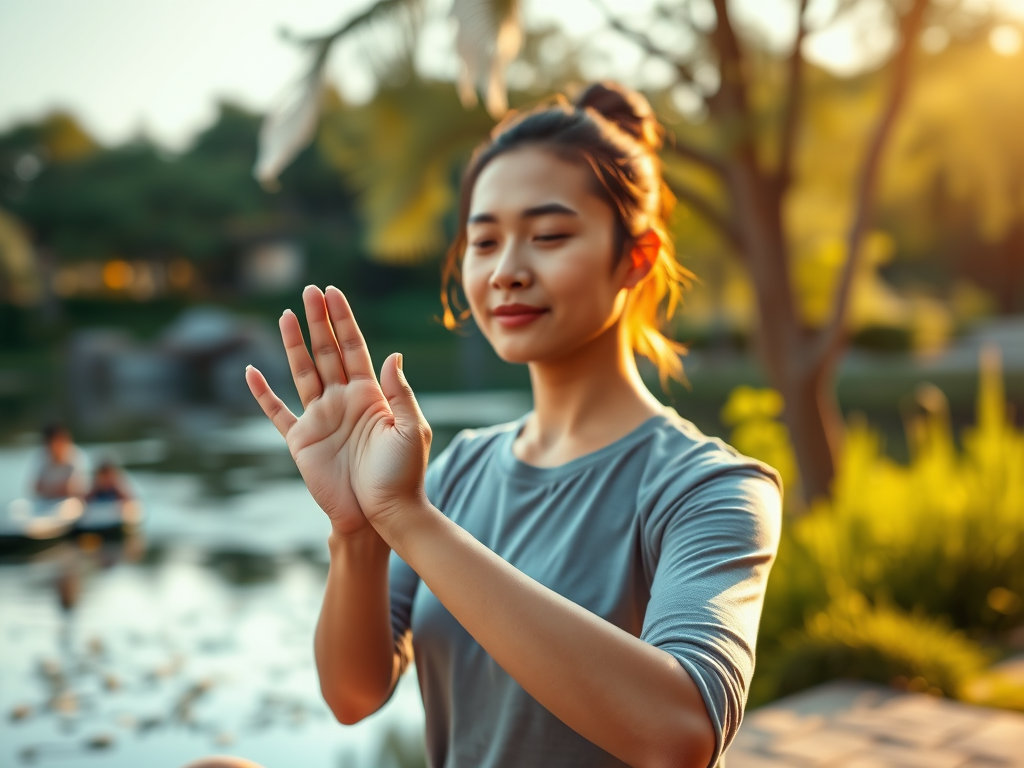
Yoga is deeply interconnected with various spiritual and religious traditions, most notably Hinduism and Buddhism, and can certainly be a part of someone’s religious or spiritual practice. Yoga is a relationship with spirituality meant to unite the mind, body, and spirit of the individual self with the universal consciousness (the Divine).
Yoga roots are found in the Vedic traditions of ancient India, which also gave rise to Hinduism and Buddhism. Many yogic concepts, such as karma, rebirth, and the pursuit of liberation (moksha or nirvana), are shared across these dharmic traditions. The ultimate goal of classical yoga, as described in Yoga Sutras, is samadhi, a mystical state of enlightenment or union with the Divine.
Padmasana (The Lotus Pose/Position) and Padma Mudra (The Lotus Hand Gesture) holds immense symbolic and practical significance in yoga and related Eastern traditions. It is a foundational cross-legged sitting posture used for meditation. The pose is named after the sacred lotus flower (Nelumbo nucifera), which grows from mud but emerges clean and beautiful above the water. Padma Mudra, or Lotus Seal, is a hand gesture (mudra) that mirrors the symbolism of the lotus flower. Padmasana is considered ideal for breath control and meditation because it keeps the back straight, stabilizes the body and mind, and allows for free flow of energy through the central channels of the body.
Positive flow of energy is believed to allow the flow of prana (life force) in the body and unblock energy channels. Mudras can help balance the left and right hemispheres of the brain, activating the parasympathetic nervous system (the “rest and digest” response).
The lotus posture and mudra are deeply imbued with spiritual meaning and symbolism drawn from ancient Indian philosophies that seek to foster inner peace, self-realization, and a profound connection to the universal sources. The lotus posture brings a multitude of physical improvements for the human body.
A mantra is a word, sound, or phrase repeated in spiritual practices like meditation and prayer to focus the mind and align one’s energy. It is derived from the ancient Sanskrit language: “man” meaning “mind” and “tra” – “instrument” or “tool.” Hence, a mantra is often called a “tool for the mind,” which helps practitioners achieve a state of mental clarity and inner peace.
The lotus has a connection to the mantra “Om Mani Padme Hum”. The syllable “Padme” in the mantra literally means “lotus” (or “in the lotus”). The most common interpretation of the mantra is “Hail to the Jewel in the Lotus” or “Om, the Jewel in the Lotus, Hum.” The lotus here symbolizes purity, wisdom, spiritual awakening, and the potential for enlightenment that exists within all beings, even when they emerge from the “mud” of worldly suffering.
- Intention and Focus: Both the mantra and the mudra serve as powerful tools for meditation and spiritual focus. A hand gesture that physically mimics a blooming lotus flower. Just like the lotus, it symbolizes purity, love, compassion, growth, and the ability to rise above challenges and limitations to achieve inner beauty and spiritual clarity.
- Chanting: “Om Mani Padme Hum” provides an auditory and mental anchor for the mind, helping to purify thoughts and invoke compassionate energy.
- Intentions: Holding the Padma Mudra provides a physical gesture that reinforces the intention of openness, purity, and heart-centered awareness.
- Combined Practice: It is common for practitioners to combine these two practices. For instance, one might hold the Padma Mudra while chanting or silently reciting “Om Mani Padme Hum.” This allows the physical posture to reinforce the mental and energetic effects of the mantra, deepening the meditative experience and amplifying the cultivation of compassion and wisdom. Some practices specifically guide you to visualize light emanating from the lotus mudra as you chant the mantra, sending love and compassion to all beings.
In summary, while “Om Mani Padme Hum” is a mantra (a sacred sound or phrase), Padma Mudra is a mudra (a symbolic hand gesture). They are deeply interconnected through the shared and profound symbolism of the lotus flower. Both serve as potent tools for cultivating spiritual purity, wisdom, and especially, compassion. Padmasana (the lotus pose) is the posture for allowing the meditative state to balance physical improvements in the human body.

Leave a Reply